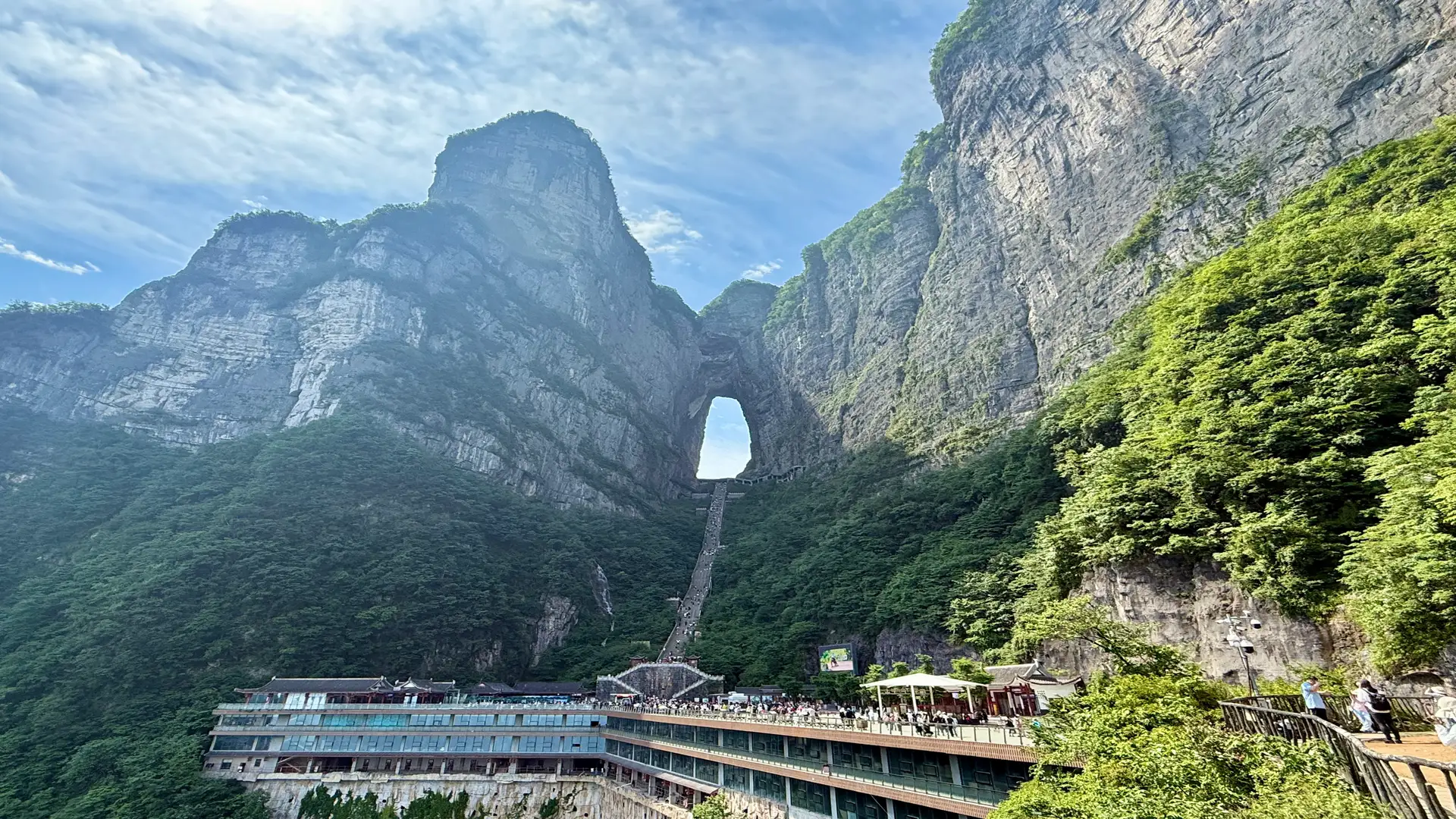
If you are looking for a China destination built around dramatic scenery rather than big-city landmarks, Zhangjiajie is one of the strongest choices. It is best known for towering sandstone pillars, deep valleys, cliffside walkways, and mountain views that feel completely different from the classic Beijing-Xi’an-Shanghai route. For travelers who want nature, photography, and a more immersive landscape experience, Zhangjiajie can easily become one of the highlights of a China trip.
At the same time, Zhangjiajie is not a casual ‘show up and stroll around’ stop. The area is large, the transport between sights takes planning, and the experience can feel physically demanding if you underestimate the walking, stairs, and weather changes. In practical terms, Zhangjiajie works best when you treat it as a destination that needs a clear route rather than a flexible last-minute stop.
Why Visit Zhangjiajie?
The main reason to visit Zhangjiajie is simple: the scenery is unusually vertical. Instead of broad plains, city skylines, or historic streets, you get towering rock columns, forested peaks, glass-bottom viewpoints, deep canyons, and cable-car rides that make the landscape feel almost theatrical. If your ideal trip includes scenic walking, panoramic viewpoints, and outdoor photography, Zhangjiajie offers a very different side of China.
It is also a strong destination for travelers who have already seen China’s classic urban highlights and want something less museum-centered. Zhangjiajie is often a better fit for nature-first travelers, couples, active families with older children, and photographers than for visitors who mainly want shopping, nightlife, or food-focused city days. The core appeal here is the landscape itself.
It is worth being realistic, though. Zhangjiajie may be less suitable for travelers who dislike queues on popular routes, struggle with steep paths, or want a destination with minimal transfers. The scenery is memorable, but the logistics matter.
Best Time to Visit Zhangjiajie
The best time to visit Zhangjiajie is usually spring and autumn, especially from April to June and from September to November. These periods often bring more comfortable temperatures, greener or more colorful scenery, and better walking conditions than the hottest part of summer or the colder days of winter.
Spring works well if you want fresh greenery, misty mountain views, and a softer atmosphere. Rain and fog can sometimes limit visibility, but they can also make the stone pillars look more dramatic; for photography, that mood can be a strength rather than a weakness.
Autumn is one of the easiest seasons for a Zhangjiajie trip. Temperatures are milder, the air often feels clearer, and the overall sightseeing experience is usually more comfortable for longer walking days. It is a particularly good choice for first-time visitors who want a balanced mix of scenery, comfort, and manageable weather.
Summer is lush and visually strong, but it can also be hot, humid, and more crowded. If you travel in July or August, start early, stay hydrated, and build in more rest time. Winter is quieter and can be visually striking on clear days, especially if snow appears, but conditions are less predictable and some travelers may find the trip less convenient.
Top Things to Do in Zhangjiajie
Explore Zhangjiajie National Forest Park
No Zhangjiajie travel guide is complete without Zhangjiajie National Forest Park, the region’s best-known attraction. This is where travelers come to see the towering stone pillars that made Zhangjiajie internationally famous. Because the park is much larger than many first-time visitors expect, it is better to enter with a clear route rather than assume you can cover everything in one easy walk.
The most famous areas include Yuanjiajie, known for the so-called Avatar Mountains, and Tianzi Mountain, which offers broader panoramic views. If you prefer a slightly quieter section, Yangjiajie can be a good addition. One thing to keep in mind is that the park is not only about hiking: it also involves shuttle buses, walking routes, queues, and sometimes cable cars or elevators.
Visit Tianmen Mountain
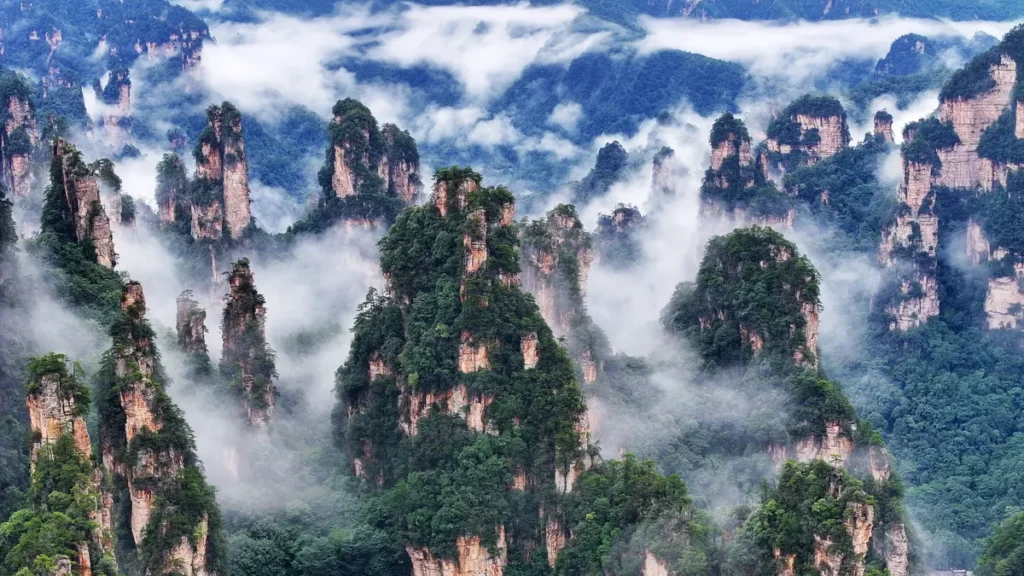
Tianmen Mountain offers a different side of Zhangjiajie. Compared with the wide pillar landscapes of the national forest park, it feels more dramatic in a cliffside way, with a long cable car ride, glass skywalks, winding mountain roads, and Tianmen Cave as its best-known landmark.
For many visitors, the cable car is part of the highlight because it gives a strong sense of scale. Tianmen Mountain is a good choice if you want impressive viewpoints without making every major sight a full hiking day. It can be busy during holidays, so an early start is usually the better option.
Walk Across the Zhangjiajie Glass Bridge
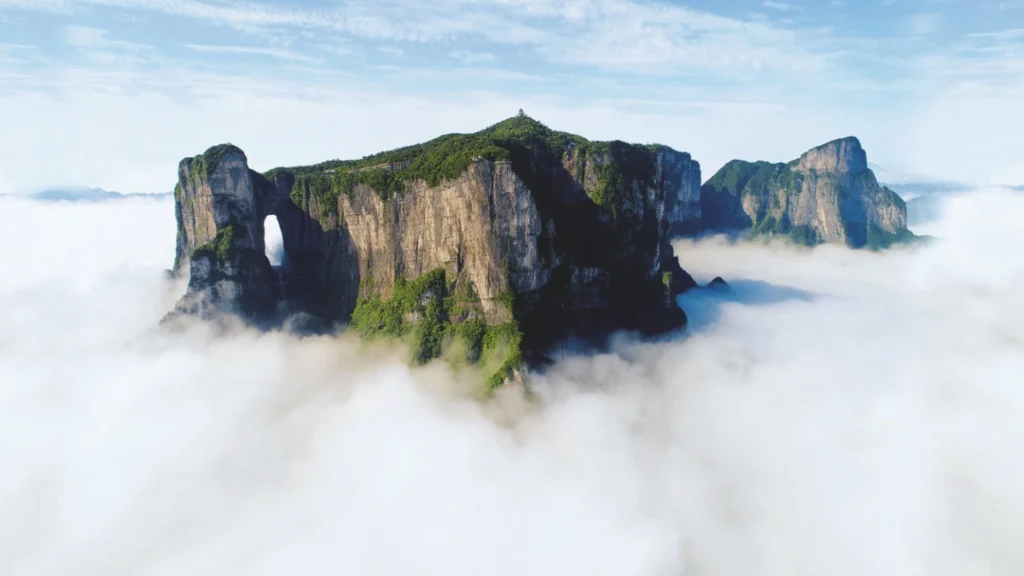
The Zhangjiajie Glass Bridge is one of the region’s best-known modern attractions. Some travelers visit for the thrill and photo opportunities, while others see it as a secondary stop compared with the mountain scenery.
If you enjoy viewpoint attractions and light adventure, it is a fun addition. If you only have two days in Zhangjiajie, however, Zhangjiajie National Forest Park and Tianmen Mountain are usually the higher priorities.
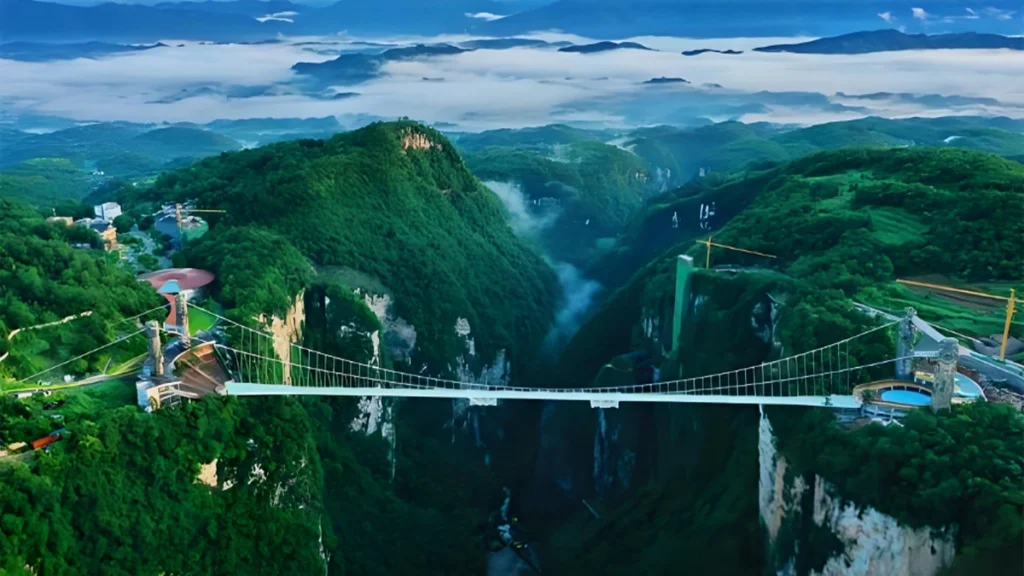
See the Zhangjiajie Grand Canyon
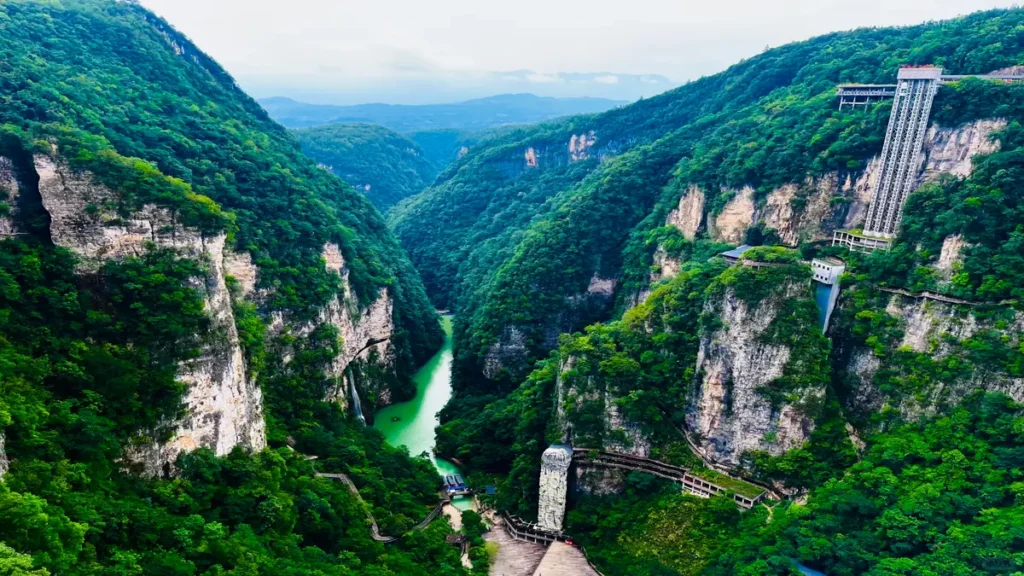
The Zhangjiajie Grand Canyon adds a different texture to the trip, with canyon walking, streams, bridges, and a more ground-level landscape experience. It works especially well for travelers who want more than mountaintop viewpoints.
If your route already includes the Glass Bridge, combining it with the Grand Canyon can be efficient. Just do not underestimate the walking time, as this area can still be more physically demanding than it first appears.
Add Baofeng Lake or Yellow Dragon Cave
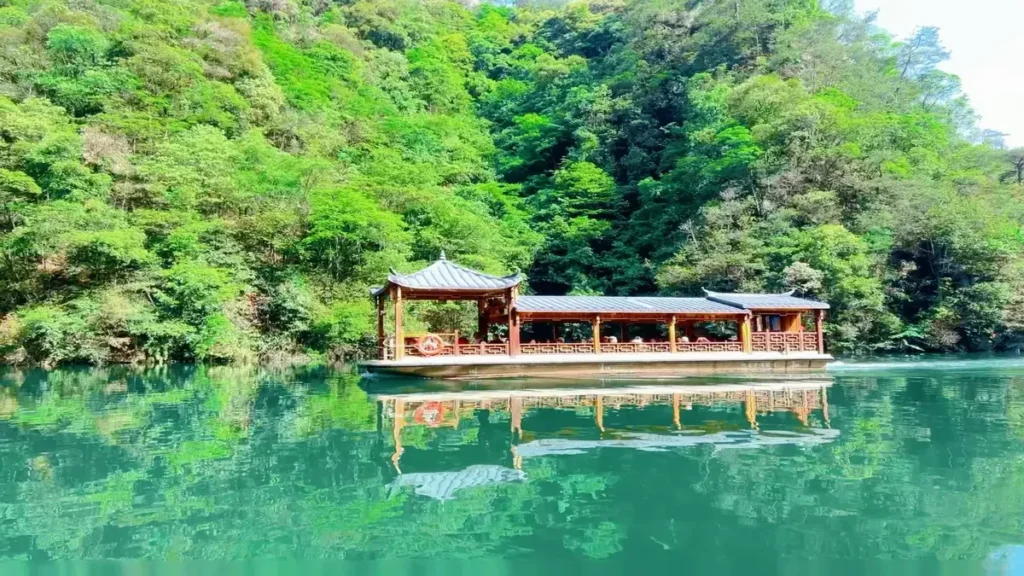
If you have an extra half day, Baofeng Lake or Yellow Dragon Cave can add variety to your itinerary. They are not usually the main reason people visit Zhangjiajie, but they can work well as supporting sights in a 3-day or 4-day trip.
Baofeng Lake is the better option if you want something calmer and more scenic, while Yellow Dragon Cave is a stronger fit for travelers interested in cave landscapes and underground formations.
How Many Days Do You Need in Zhangjiajie?
For most first-time visitors, 3 full days is a sensible minimum. That usually gives enough time for Zhangjiajie National Forest Park, Tianmen Mountain, and one additional attraction such as the Glass Bridge, Grand Canyon, or a lighter half-day site.
A 2-day trip is possible, but the pace will be tighter and you will need to prioritize carefully. In that case, the national forest park and Tianmen Mountain are usually the strongest combination.
A 4-day trip is more comfortable if you want to move at a better pace, leave room for weather changes, and avoid turning every day into a long checklist. That extra flexibility can matter in Zhangjiajie, where visibility and queue times often affect how enjoyable the trip feels.
A Practical Zhangjiajie Itinerary
A practical Zhangjiajie itinerary for first-time visitors could look like this:
Day 1: arrive and stay in Wulingyuan or Zhangjiajie city, depending on your next day’s plan.
Day 2: explore Zhangjiajie National Forest Park, focusing on Yuanjiajie and Tianzi Mountain.
Day 3: visit Tianmen Mountain.
Day 4: choose between the Glass Bridge, Grand Canyon, Baofeng Lake, or departure.
Where to Stay in Zhangjiajie
Where to stay in Zhangjiajie depends on your route. Wulingyuan is usually the better base if your focus is Zhangjiajie National Forest Park, because it reduces transfer time and makes early starts easier. For many park-centered trips, it is the more efficient choice.
Zhangjiajie city is more practical if Tianmen Mountain is a major priority or if you want easier transport connections on arrival or departure. It can be convenient for shorter stays, but it may add extra movement if most of your sightseeing is in the park area.
If your schedule is tight, choosing the right base can make the whole trip feel smoother.
Practical Travel Tips for Zhangjiajie
Weather matters more here than in many city destinations. Even when the temperature looks manageable, fog, rain, and changing mountain conditions can affect visibility and comfort. A light rain layer and shoes with good grip are worth bringing.
Start early when possible. Major sights in Zhangjiajie can become busy later in the day, and early starts often mean shorter queues and a calmer experience at the viewpoints.
Do not overload your route. A common mistake is trying to fit Zhangjiajie National Forest Park, Tianmen Mountain, and the Glass Bridge into an overly short schedule. In practice, seeing slightly less often creates a much better trip.
It is also worth planning your physical effort honestly. Even with cable cars, shuttle buses, and elevators, Zhangjiajie still involves plenty of movement. Travelers with knee issues, limited mobility, or very young children should keep that in mind when building the itinerary.
Is Zhangjiajie Worth It for First-Time Visitors?
Yes, Zhangjiajie is worth it for first-time visitors who want nature to be one of the defining parts of their China trip. It offers a kind of scenery that feels visually distinct from the country’s better-known historical and urban circuits. If you want mountains, viewpoints, and a more cinematic outdoor experience, it can be one of the most memorable stops in China.
However, it should not automatically replace China’s classic first-trip cities. For many travelers, Zhangjiajie works best when added to a broader itinerary rather than used as the only destination. It is strongest as a scenic contrast to places like Beijing, Xi’an, Chengdu, or Shanghai.